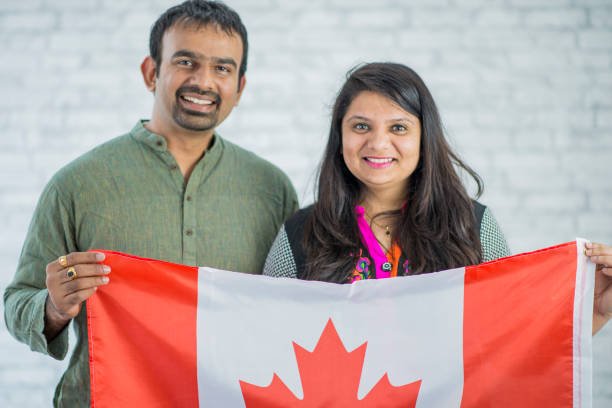
Are you thinking about moving to Canada but don’t know which immigration route to take? Canada has several immigration programs for people who want to study, work, reunite with family or settle permanently in the country, but choosing the right one can feel confusing at first.
The good news is that you don’t always need to have a huge amount of money or an unusual qualification to find a possible pathway. Your age, education, work experience, language skills, family situation and job offer can all affect the option available to you.
And while no Canadian immigration route is guaranteed or completely effortless, you have to understand the programs. That will make the process much easier to plan.
Top 7 Easy Ways You Can Easily Move To Canada
There are several ways to enter Canada legally, depending on your situation. Some options can lead directly to permanent residence, while others allow you to study or work first and later explore permanent residence.
Here are seven routes worth knowing about.
Express Entry
Express Entry is one of Canada’s main systems for managing skilled-worker immigration applications. It covers three federal programs: the Canadian Experience Class, Federal Skilled Worker Program and Federal Skilled Trades Program.
The process starts online. You create an Express Entry profile and enter the pool if you meet the requirements. Your profile receives a Comprehensive Ranking System score based on factors such as age, education, language ability and work experience.
Canada then conducts invitation rounds. Candidates who receive an invitation can submit an application for permanent residence.
And that’s where preparation matters.
You may need documents such as:
- Language test results
- Educational credentials
- Proof of work experience,
- Police certificates
- and proof of funds
All these requirements depends on your program and situation.
Express Entry isn’t a simple first-come, first-served system. Being eligible to enter the pool doesn’t automatically mean you’ll receive an invitation.
Provincial Nominee Programs
The Provincial Nominee Program, commonly called PNP, gives Canadian provinces and territories a way to nominate people who meet their immigration needs.
Each province can have different streams. Some may focus on skilled workers, graduates, people with Canadian work experience or workers in specific occupations.
A provincial nomination can also be connected to Express Entry. For an Express Entry-linked PNP route, you must qualify for a provincial or territorial program and also meet the requirements of one of the three Express Entry programs.
This option can be useful if your occupation, experience or background matches what a particular province is looking for.
But don’t apply blindly.
Check the rules of the province you are interested in before spending money on tests, documents or applications. Requirements can change.
Study Permits
Studying in Canada is another popular route for people who want to build a future there. You can apply for a study permit after getting admission to an eligible Canadian institution and meeting the immigration requirements.
A study permit allows eligible international students to study in Canada for the duration of their program, subject to the conditions of their permit.
There can also be opportunities to work while studying. Eligible international students may be allowed to work on or off campus without a separate work permit under the applicable rules.
After graduation, some students may qualify for a Post-Graduation Work Permit. Graduates of certain designated learning institutions can use a PGWP to work in Canada after completing their studies.
However, studying in Canada doesn’t automatically give you permanent residence.
You still need to meet the requirements of whichever immigration pathway you later use.
Work Permits
You can also move to Canada temporarily through a work permit if you qualify for one of the available work-permit routes.
In many cases, this involves getting a Canadian job offer and meeting the requirements for the specific work permit. The exact process depends on the type of job, employer and immigration program involved.
A Canadian work experience can also become useful later. For example, the Canadian Experience Class under Express Entry is designed for people with qualifying Canadian work experience.
So, getting a job in Canada can sometimes be more than just a way to earn money.
It can become part of a longer immigration plan.
Still, be careful with anyone promising a guaranteed Canadian job or visa in exchange for a large payment. Check the employer, job offer and immigration requirements through official Canadian sources before making financial commitments.
Family Sponsorship
If you have an eligible close family member who is already a Canadian citizen or permanent resident, family sponsorship may be an option.
Canadian citizens and permanent residents may be able to sponsor their spouse, common-law partner, conjugal partner or dependent child, provided the requirements are met.
The sponsor normally has to sign an undertaking agreeing to provide financial support for the person being sponsored for the required period.
Family sponsorship can be straightforward when the relationship and documents clearly meet the rules. But it isn’t simply a matter of having a relative in Canada.
The sponsor must be eligible, and the person being sponsored must also meet Canada’s immigration requirements.
Canada also has programs involving parents and grandparents, although the intake for new applications under the Parents and Grandparents Program is currently paused.
Atlantic Immigration Pilot
The Atlantic Immigration Pilot has been replaced by the Atlantic Immigration Program (AIP). It provides a pathway to permanent residence for eligible skilled workers and international graduates who want to live and work in one of Canada’s four Atlantic provinces: New Brunswick, Nova Scotia, Prince Edward Island, or Newfoundland and Labrador.
One important requirement is a job offer from a designated employer in Atlantic Canada.
Applicants also need to meet requirements relating to work experience or qualifying education, education level, language ability and settlement funds, depending on their circumstances.
The program can be interesting for people who are willing to live outside Canada’s largest cities.
There is also an optional temporary work permit for eligible applicants while their permanent residence application is being processed. The permit is generally valid for two years and is tied to the employer that made the qualifying job offer.
Rural and Northern Immigration Pilot Program
The Rural and Northern Immigration Pilot (RNIP) is no longer accepting new applications. The program ended on August 31, 2024.
But don’t stop there.
Canada now has the Rural Community Immigration Pilot (RCIP), which offers a permanent residence pathway for eligible skilled workers who want to live and work in selected rural and remote communities.
The RCIP requires an eligible job offer from a designated employer in one of the participating communities. Applicants who receive a community recommendation can then apply for permanent residence.
This route may suit people who don’t mind living outside major Canadian cities. Participating communities include places such as North Bay, Sudbury, Timmins, Thunder Bay, Brandon and others.
The important thing is to check the current list of participating communities and their requirements before applying.
Final Thoughts
Moving to Canada can take time, money and careful planning. But there are several legal routes you can explore.
The right option depends on your personal situation. A skilled worker may look at Express Entry or a Provincial Nominee Program. A student may consider a study permit. Someone with a Canadian employer may explore a work permit or a regional immigration program.
And if you have an eligible family member in Canada, sponsorship could be worth checking.
Don’t rely on outdated immigration advice. Canadian programs and requirements can change, so always check the latest information from Immigration, Refugees and Citizenship Canada before submitting an application or paying anyone to help you.
The easiest route isn’t the same for everyone.
We wish you all the best and hope to see you in Canada soon.